Metal Fang
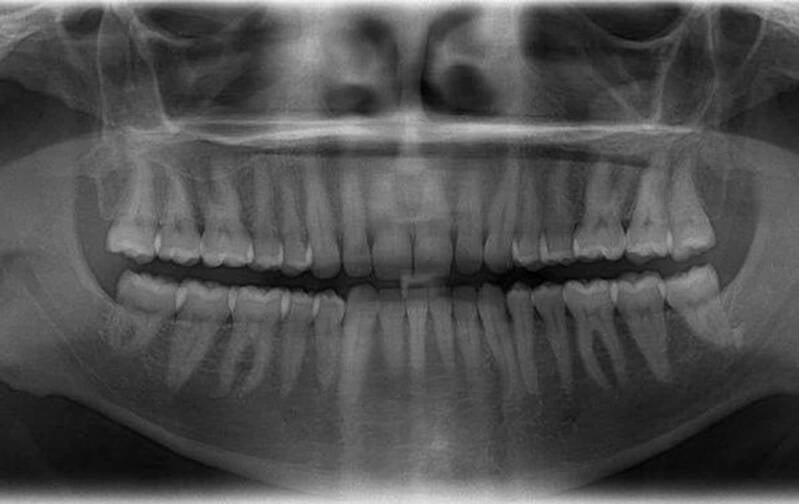
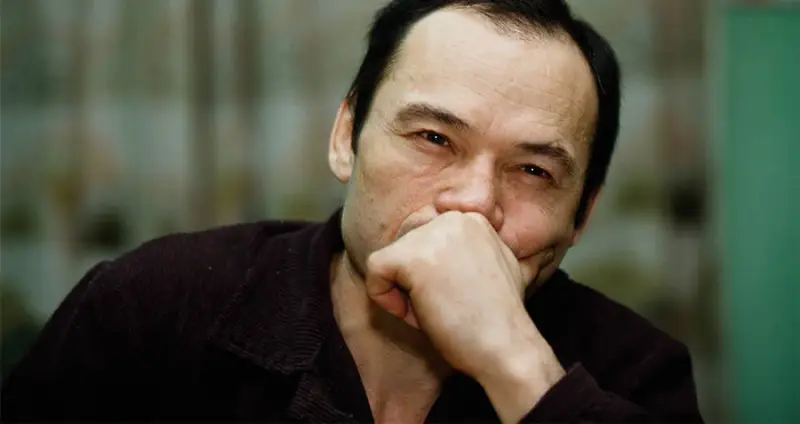
In the late 1970s, along the dark mountain paths outside Almaty, Kazakhstan, locals spoke in hushed tones about a shadow stalking the woods. To those who knew him, 27-year-old Nikolai Dzhumagaliev was a quiet, polite former sailor. But when he smiled, his lips pulled back to reveal a flashing row of custom white-gold prosthetic teeth. A cold, metallic grin that earned him his terrifying nickname: "Metal Fang."
Behind his quiet demeanor lay a severe, deeply ingrained psychotic obsession with human butchery. Carrying a heavy hunting axe and a razor-sharp skinning knife in a leather hip sheath, Dzhumagaliev began hunting women along deserted woodland tracks.
His routine was horrific and precise. After ambushing a victim in the brush, he would slit her throat and drink her blood while she lay dying in the dirt. Working with clinical detachment, he stripped the body and used his hunting blades to carve away choice cuts of muscle tissue across the thighs, back, and torso. He packed the fresh cuts into a canvas backpack and casually walked home under the cover of night.
Inside his rural home Dzhumagaliev turned his storm cellar into a private slaughterhouse. He set up heavy wooden barrels filled with brine to marinate and salt-cure human flesh, preserving the tissue to sustain himself through the winter.
He even kept detailed notebooks filled with grim culinary notes: grinding human muscle through a hand-cranked meat grinder to cook pelmeni (traditional dumplings), rendering human fat into lard for frying, and roasting organs over open flames. Unsuspecting neighbors and guests were frequently invited over for dinner, where Dzhumagaliev served elaborate meat stews made entirely from his victims.
His nightmare spree came to a chaotic end on December 18, 1980, during a drinking party at his house. Dzhumagaliev invited a woman into his back room while his guests drank tea in the kitchen. When he didn't return, a guest pushed open the door to check on them and walked directly into a scene of absolute horror.
Dzhumagaliev was standing naked in the center of the room, slick with blood, actively disemboweling the woman on the floorboards. Before the horrified guest could scream, Metal Fang walked out to the kitchen carrying her severed head and calmly asked the room if they knew what kind of meat they had been eating all evening.
Panic erupted. Guests vomited on the floor and scrambled out the windows, fleeing into the freezing night to find police. When Soviet militsiya officers surrounded the house, Dzhumagaliev managed to burst through the back door, vanishing into the snow-covered mountains wearing nothing but his boots and holding an axe.
He survived a massive military dragnet for a day before being cornered at a relative's farm. Forensic teams searching his property recovered the brine barrels packed with human flesh, blood-stained butcher tools, and evidence linking him to at least nine murders.
Metal Fang was committed to a maximum-security psychiatric institution. Or does he?
In 1989, he put in a request for transfer to another facility. During his transport, however, he escaped, disappearing as if into thin air. For two years investigators searched for him, their only clue a letter sent from Dzhumagaliev, postmarked from Moscow to a friend in Bishkek. Eventually, he was found in Fergana, Uzbekistan, after hiding out in the Ural Mountains.
After his recapture in 1991, it seemed that that was the end of Nikolai Dzhumagaliev, as he was being closely monitored at his new mental facility.
However, in 2015, reports began to surface that Dzhumagaliev had once again escaped from the police and was once again on the run. Even more concerning was the fact that the hospital he was allegedly being held in never confirmed his presence. Police in Uzbekistan also wouldn’t confirm whether they were looking for him, or whether local citizens should be concerned.
Add comment
Comments