The Knox Illusion
The flat farmlands of the American Midwest can be defined by an eerie monotony. In the early 1900s, a winter cornfield was a lonely, desolate place. A labyrinth of brittle, dead stalks rattling like dry bones in the wind.
It was the perfect backdrop for secrets.
In February 1916, in a rural community in Wisconsin, they learned that the most horrifying secrets are often hidden in plain sight.
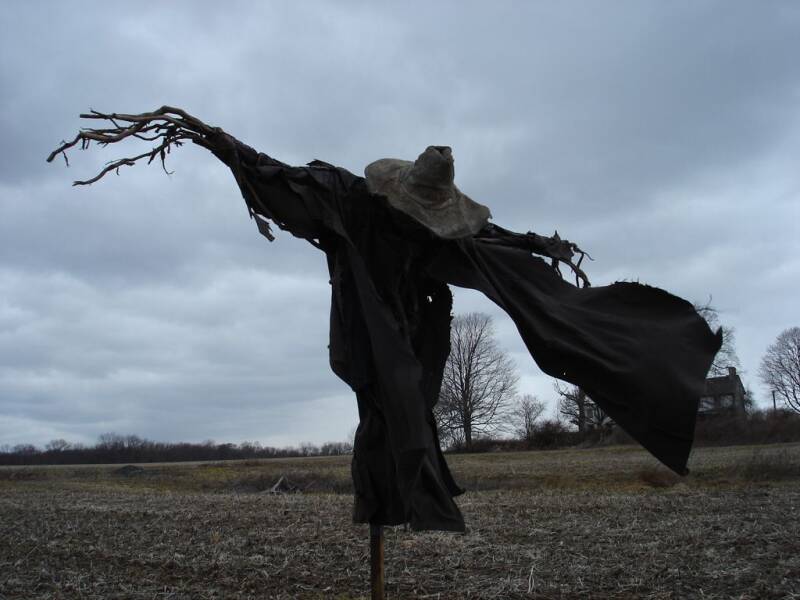
It started with a rumor about a remarkably crafted scarecrow. From the dirt road running alongside the Engel family farm, travelers noticed a figure hanging from a low tree branch at the edge of the corn stalks. It possessed an unsettlingly realistic posture. Wearing a wide-brimmed felt hat tilted sharply downward, casting a deep shadow over its face, its canvas trousers swaying limply with every gust of wind.
Passersby praised it as a masterpiece of farming utility, capturing the organic weight of a real human being so perfectly that it seemed almost alive.
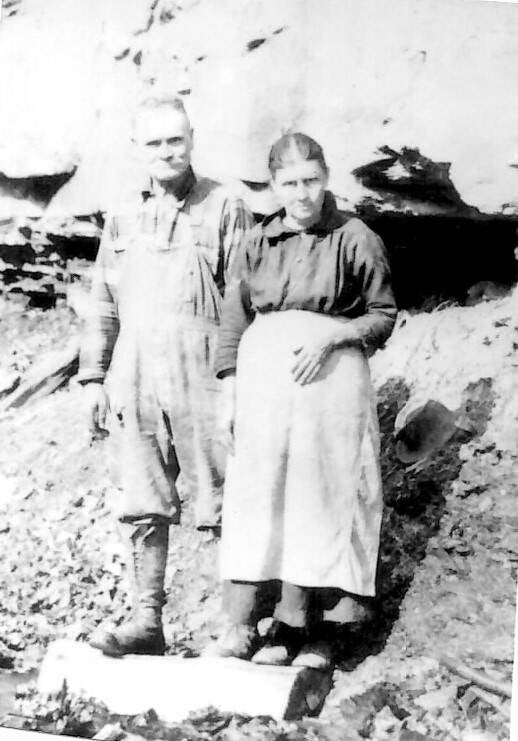
A few days later, neighboring farmers stopped by to ask Albert Engel how he had stuffed the dummy to give it such a hauntingly lifelike form. But when they knocked, Albert’s family answered with hollow, anxious faces. Albert had walked out into the cold days ago and simply never returned.
The following morning, a local farmer rode his horse past the field to inspect the famous scarecrow up close. As he drew near, his horse grew skittish, refusing to step closer.
A faint, sweet, metallic odor hung heavily in the winter air.
The farmer dismounted and stepped beneath the branch to look up into the shadow of that wide brim. The illusion shattered into pure horror.
It wasn't a stuffed dummy. It was the frozen, decomposing body of Albert Engel, who had walked out into his field, secured a rope, and gave his soul…never once removing his hat.
The wide-brimmed hat had kept his secret from the road for nearly a week. By the time the farmer finally stepped underneath and looked up, the crows were the only ones left who recognized him.
Add comment
Comments